


Drawing the Line: How Hospitality Teams Can Set Healthy Boundaries

Few workplaces run on the sheer adrenaline of a packed house. When the room is loud, shakers are in rhythm, and tickets are flying, hospitality feels electric. It is an industry built on warmth, connection, and making strangers feel like regulars.

That open door comes with real friction. In conversations with SAFE Bar Network member venues nationwide, one core question keeps surfacing: How do we deliver great service while still protecting our own boundaries?
When late hours, alcohol, and tipped wages mix, hospitality can slide into boundary crossing fast. Drawing the line isn't about killing the vibe—it’s about keeping staff safe, healthy, and supported on shift.
Why Boundaries in Nightlife Hit Differently
In hospitality, your workspace is an environment engineered for lowered inhibitions. A few industry realities make holding boundaries especially tricky:
"Guest First" conditioning: Hospitality trains workers to absorb bad moods and preserve the vibe, making it hard to switch off the people-pleasing reflex when someone crosses a line.
The tip dynamic: When take-home pay hinges on customer approval, speaking up can feel like taking money out of your own pocket.
Regulars vs. friends: Knowing a regular's favorite pour doesn't make them off-clock friends. When boundaries blur, pushing back can feel uncomfortably disloyal.
Late-night drift: Shift drinks, 3:00 AM diners, and constant group chat pings make it tough to tell where the shift ends and personal life begins.

According to mental wellness advocates like Restaurant After Hours, chronic emotional strain in food and beverage directly fuels burnout and turnover. Boundaries aren't an obstacle to service; they are the armor that makes it sustainable.
Holding Boundaries with Customers (Without Ruining the Vibe)
Boundary violations rarely start at a 10. They start at a 2 or a 3. Checking in and setting boundaries on early boundary testing prevents blatant violations before they start—whether a guest is nudging past an employee's limits or encroaching on someone beside them at the bar.
Early boundary testing: Overly personal questions, leaning across the rail, interrupting conversations, touching an arm or shoulder, or demanding personal social media handles.
Blatant violation: Lewd commentary, touching or grabbing, slurs, explicit propositions, or refusing a clear "no."

Checking in and setting boundaries when you spot early boundary testing prevents blatant violations before they start.
Low-Stakes Verbal Scripts & Casual Check-Ins
Keep your tone neutral and calm—deliver the boundary as if you are stating the current time.
When a guest crosses your boundaries:
Personal questions: "I keep my personal life off the clock, but I'm happy to help you pick a drink."
Unwanted contact: Step back, make direct eye contact: "Please keep your hands to yourself on this side of the bar. What can I get for you?"
When checking in on a guest whose space is being crowded:
The vibe check: Drop fresh waters or coasters: "Everything good over here? Can I grab you another round or close out?"
Setting the room standard: "Let’s give everyone some breathing room at the rail tonight. Appreciate you keeping it respectful."
Active Bystander Interventions & The Tag Team

Teams don't let coworkers handle boundary pushers alone. Using practical bystander tools staff can interrupt early:
The Distraction: A coworker steps in with an urgent operational ask: "Hey, the kitchen needs you on an allergy check—I'll take this seat."
The Direct Swap: Execute a no-questions-asked tab transfer so another server or bartender takes the guest.
The Buffer: Door staff steps into view or a barback wipes down the adjacent well, signaling quiet presence without escalating the situation.
Navigating Boundaries Between Coworkers
High-volume service builds tight teams, but close quarters require mutual respect.
Mute the group chat: Keep work scheduling and floor updates to work apps.
Respect tight spaces: Use clear, reflexive verbal callouts ("Behind," "Corner," "Hot behind") instead of guiding someone with hands on their waist or hips.
Normalize the "No": As organizations like CHOW highlight, supporting industry well-being means destigmatizing recovery, sobriety, and leaving right at clock-out. Skipping post-shift drinks should always be met with: "Get some rest, see you tomorrow."
The Venue Leader’s Job: Backing Your Team

Staff will only hold boundaries if they know leadership has their back.
Explicit standards: Define clear cutoff and 86 policies.
Step in early: If you see a bartender pinned with a frozen customer-service smile, don't wait for a signal—step in with a bus tub or ticket check.
Protect the tip & section: Guarantee staff won't absorb a financial loss or face schedule retaliation for holding safety standards.
Shift Checklist: 4 Habits for Tonight's Pre-Shift
Agree on a rescue cue: Pick a quick verbal code or hand signal that means "Pull me out of this conversation immediately."
Gauge capacity: Take 30 seconds to ask: "Who's running low on battery tonight?" Cover each other accordingly.
Confirm the lead: Clarify which manager handles customer escalations tonight.
Flag the early weirdness: Remind the floor: "If an interaction feels off, flag it right away don't wait for a blowout."
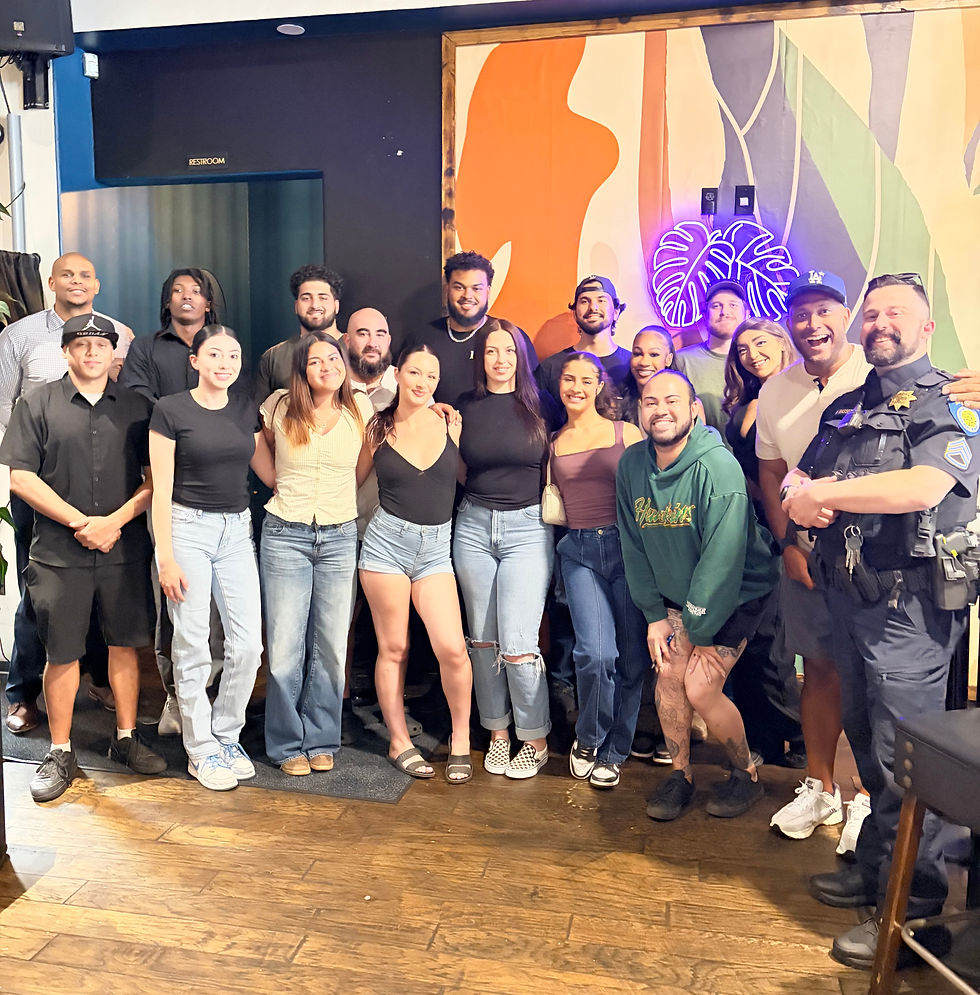
Healthy boundaries do not kill the hospitality vibe; they create the safety and respect that make good hospitality possible.
Learn more. You can find out more about the SAFE Bar Network at safebarnetwork.org
Like what we’re doing? Be connected and stay updated with the SAFE Bar Network - join our mailing list, www.safebarnetwork.org/signup
Curious about us? Join us at a SAFE Nightlife session where you’ll connect with others and learn the magic behind a safe night out. Trust us, it’s fun. Sign up here, safebarnetwork.org/sessions
Join the team. All you have to do is share about the SAFE Bar Network with venue leaders you know. Learn more at safebarnetwork.org/join
You can even send their contact information our way and we’ll do the sharing for you, Help Us Grow Our Good.
Sharing is caring. If you have two minutes you can help us out by sharing our work on Instagram and LinkedIn.
Pass the hat. The SAFE Bar Network is a nonprofit 501(c)(3) and your tax-deductible donation goes directly to our work increasing safety at alcohol-serving venues, safebarnetwork.org/donatenow


Comments